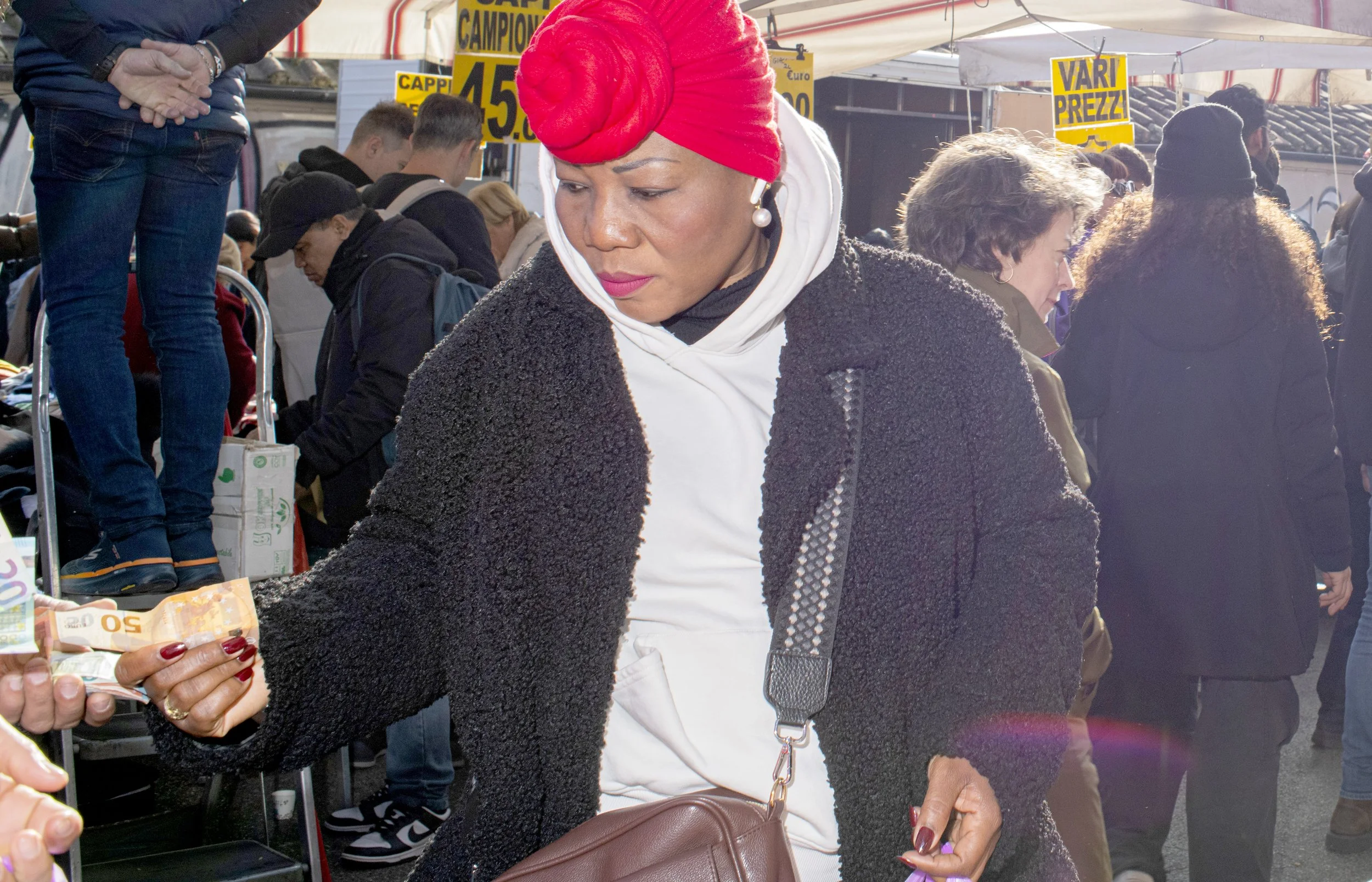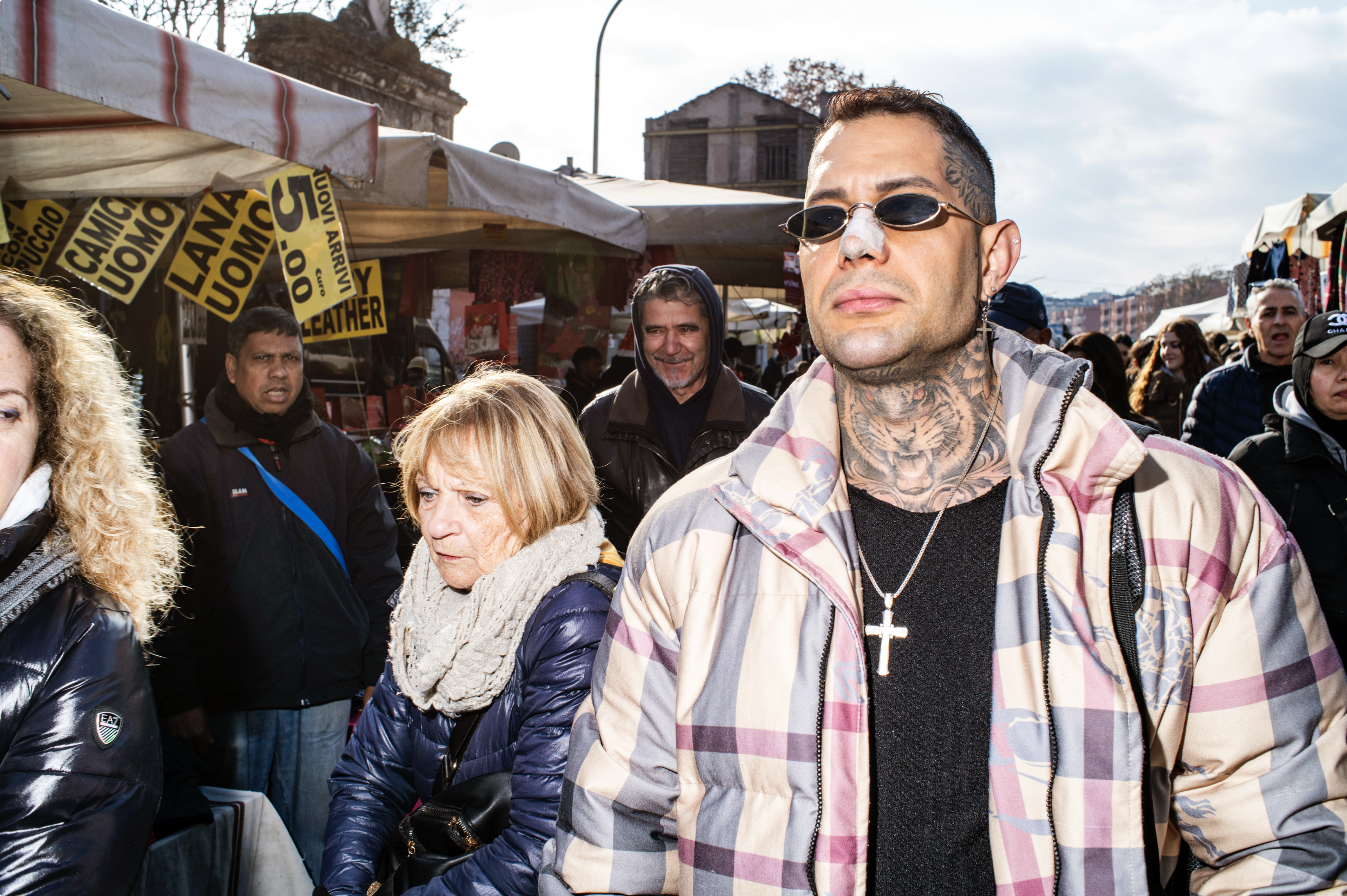
Approaching strangers. Just thinking about it makes some stomachs tighten. Most photographers feel that flicker between fear and joy right before lifting the camera. You see a picture but aren’t sure if the moment feels safe. Will the subject turn on you? Will it go easily? These are the questions we ask ourselves as we wrap ourselves in the moment.
But it doesn’t have to be that way.
When I’m out shooting in Paris or New York, something interesting happens. People sometimes notice me photographing them and instead of reacting with suspicion or anger, they meet my eye. For a brief moment, there’s understanding, comfort, even pride.
Most people like being seen. A street photograph, at its best, isn’t an intrusion but a quiet compliment. It whispers in it’s own way; you matter. That’s the energy a confident photographer carries whether she realizes it or not. It’s the same feeling I get when I catch someone aiming their camera at me on the street: not threatened, but calmly affirmed.
A photographer’s confidence doesn’t stay contained. It radiates and moves outward, quietly shaping how the street responds. A steady presence and a peaceful gaze can be enough to soften a moment or even brighten someone’s day.
Most encounters go exactly like that. But not all.
I’d be dishonest if I said I never read the room. Sometimes I choose my subjects based on mood, body language, or how charged the street feels. On rare occasions someone reacts badly and demands I delete the photo.
When that happens, I don’t argue. I explain calmly that I’m using a fully analog camera. There’s no screen. No memory card. No delete button. Sometimes that’s enough. Sometimes it isn’t.
Over time, I’ve learned that confrontations don’t need to be won but defused. Here’s how I handle them, in order of progression.
First, I disengage and walk away. Most situations dissolve the moment you stop feeding them.
If someone follows or presses further, I explain without drama that photography is legal in public spaces, where there is no expectation of privacy. I keep it factual, not confrontational. “The Supreme Court says I can.” is often enough.
If tensions remain high, I humanize myself. I show my work. People often calm down once they understand who you are and why you’re there. Conflict thrives on anonymity; clarity weakens it.
Finally, I share a simple truth: my camera isn’t connected to anything. It doesn’t upload, track, or surveil. It does nothing but take a single picture at a time. The real cameras shaping our lives are the ones we’ve stopped noticing: phones, storefronts, traffic lights, street corners. Compared to that, my vintage camera is pretty innocent.
Street photography isn’t about domination or defiance. It’s about presence, respect, and knowing how to move through the world with a camera calmly.
This weekend, I photographed a family standing in warm afternoon light, a mother and three children. The frame was effortless. The light hit just right. Everything aligned.
The photograph worked.
The situation did not.
She noticed me immediately. She spoke Turkish, no Italian nor English. However, her meaning was unmistakable. Delete. She repeated it as she followed me down the block; determined, borderline hostile.
I didn’t understand her words, but I understood her position.
The moment stretched longer than it should have. Tense. Uncomfortable. Eventually, she stopped and turned back. The street moved on. I did too. I am currently in a host country. The rules of engagement are not reflective of those on my own turf.
Encounters like this are rare, but they matter. They force us to sit with the question every street photographer, usually women, eventually face: just because I can take a photograph, must I? Would I be treated differently if I weren’t a woman? The answer is of course. I’m a photographer and will do anything for the picture. This involves risk. Context matters. But so does empathy.
Here is the photograph.
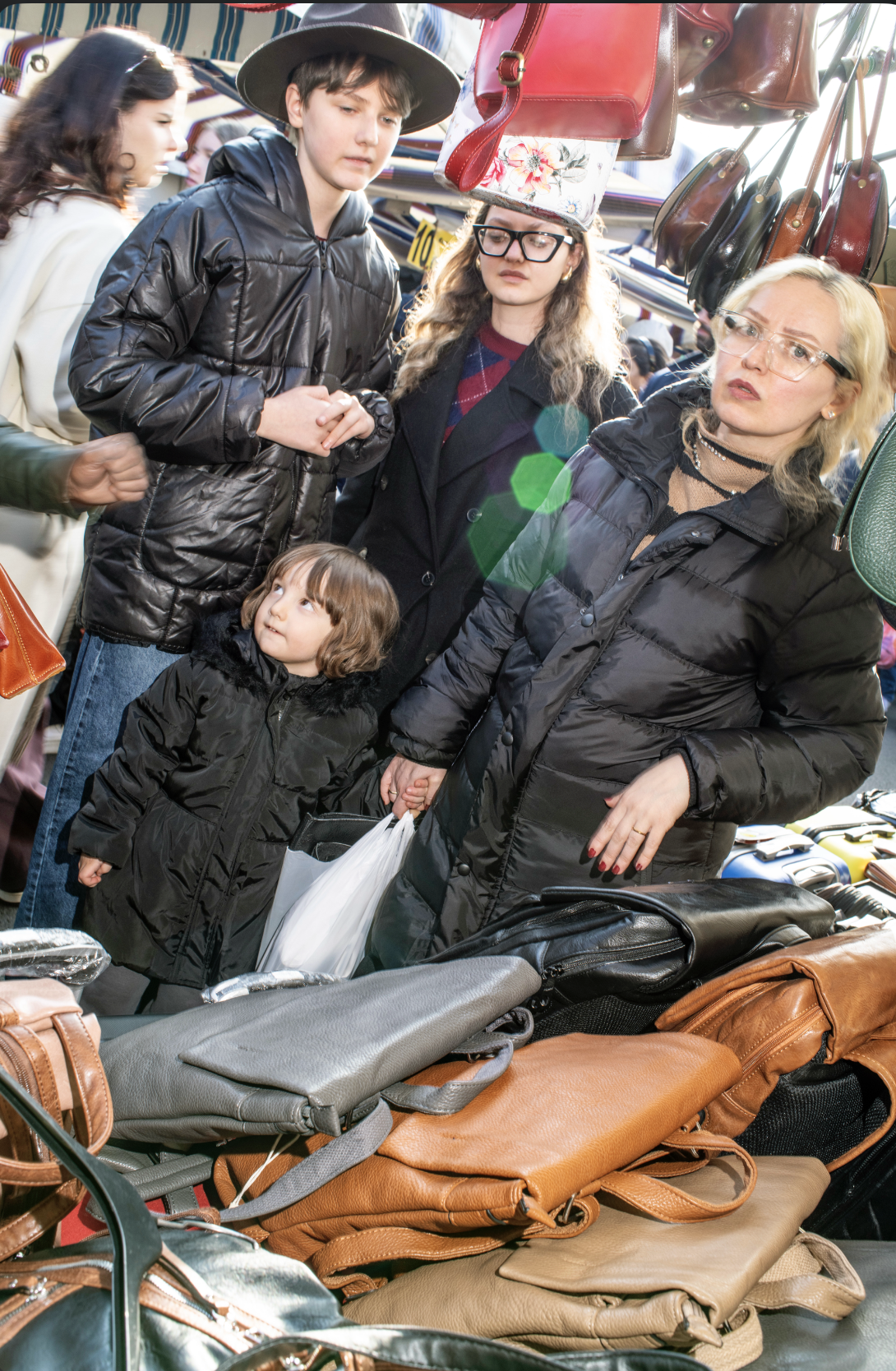
Things went sideways quickly.
I am currently a Visiting Artist at the American Academy in Rome. SPQR, is my studio. I shoot on the street every day. There are a lot of scammers on the loose in Rome running hustles. So I find that when I do ask if I can shoot someone, most people are rightly suspicious. Occasionally, I eye up a picture with someone right in front of me who notices me. It’s easy. I signal gently not to move, give them an reassuring smile, and thank them. This works better than interrupting someone and asking if they can redo what they just did so I can take a picture of it. The moment is gone.
But I’ve come up with a new method.
I immediately share my Instagram if they seem curious. I offer to share the one file I pick of them if any to enjoy, as a thank you.
I require that the subject write me should they see a picture of themselves in my feed. I won’t follow up with them; I briefly explain that some weeks I shoot hundreds of faces; I can’t keep up.
I emphasize that they get only one file - that is, the one file I have chosen to post should I choose any. Sometimes, they offer payment “to see more.” I always decline. Some manipulate, push and demand I send every frame. I explain that this is not what this is. I am not paid, therefore I do not work for them; I work for myself, I am a broke street photographer.
And that one photo is how I do it, and that I hope they enjoy it. Period.
Should a person become entitled or obnoxious after I explain this, I cease communication.
You get what you get and you don’t get upset as i have heard some moms say.
Having shared my tips and tricks for surviving confrontation while street shooting, I hope you enjoy this work from the Piazza del Popolo, one of the most magical spots I’ve found so far in Rome.