

Construct Your Documentary Photography Portfolio That Feels Like a Body of Work
A photography portfolio is far more than a pile of pictures you happen to like.
This sounds obvious. It isn't.
I see photographers with loads of solid pictures who still haven't figured out what their work is about. They have a strong image here, another one there, a few photographs from a project they started three years ago, some street photographs, a portrait they love, and something they shot in Paris because the light was good.
Individually, the photographs may be excellent.
Together, they say absolutely nothing.
A documentary photography portfolio should feel like a body of work. There should be a reason these photographs are sitting next to each other. They should have a relationship. They should create a rhythm, reveal something about how you see, and make the viewer want to keep looking.
That takes more than making good photographs.
It takes editing.
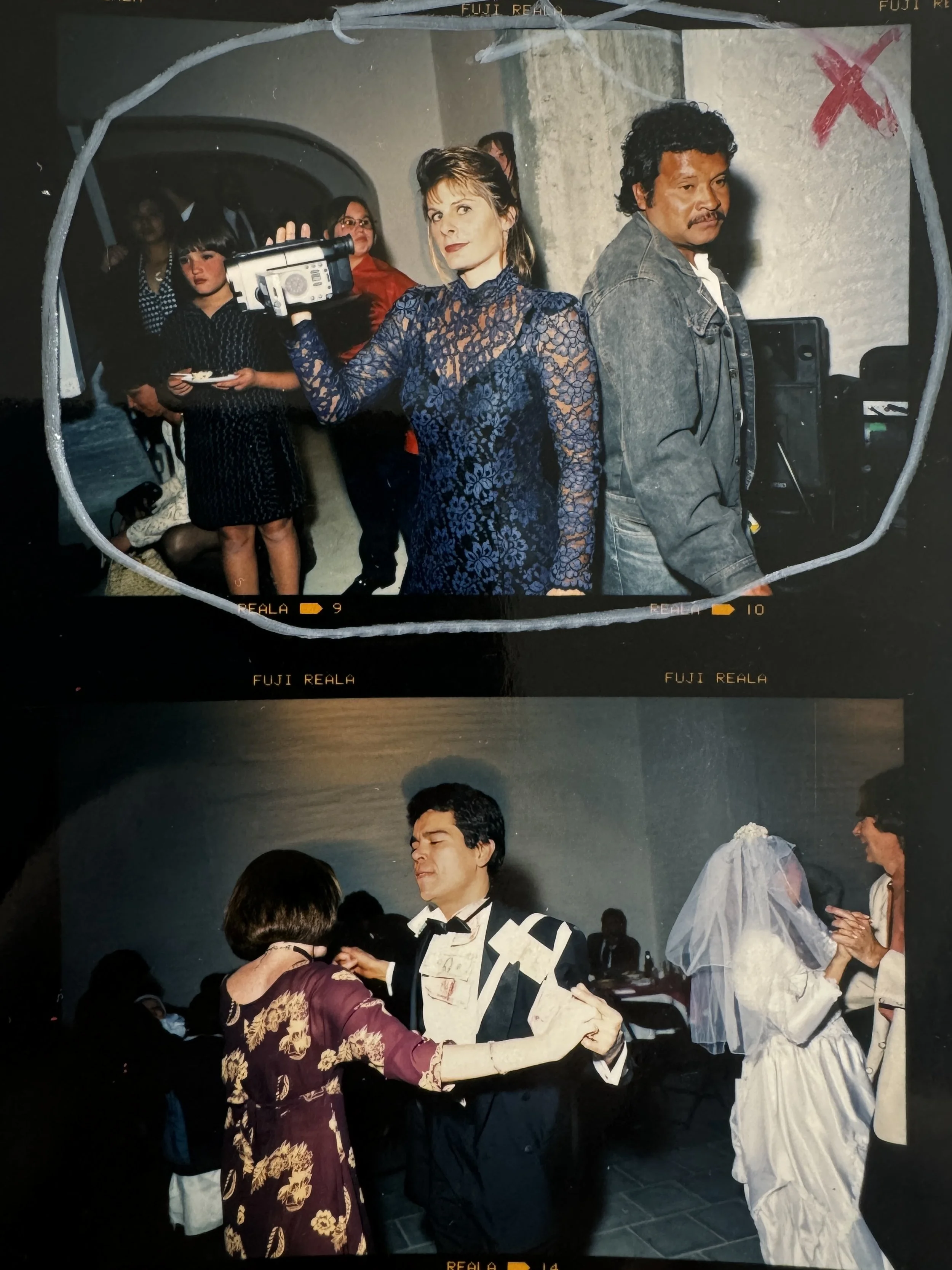
Editing starts here, with a grease pencil and a stack of proofs, pages, digital files, etc.
A Body of Work Is Not A Greatest Hits Album
One of the hardest things about building a photography portfolio is accepting that your favorite photograph may not belong in it.
I know.
You spent three hours waiting for that picture. The light was perfect. Something happened that you'll probably never see again. You love it.
And it might still have to go.
The question isn't:
Is this a good picture?
The question is:
Does this inner edit of pictures belong to in this edit?
Those are two very different questions.
A documentary portfolio isn't a trophy case. You're not trying to prove that you can make one spectacular photograph. You're showing that you can sustain an idea, a way of looking, or a relationship with a subject over time.
Sometimes the quieter photograph is more important than the showstopper.
Sometimes the strange photograph you weren't sure about is the one that gives the whole edit some air.
Sometimes two photographs that are individually mediocre suddenly become interesting when they sit next to each other.
This is why editing a portfolio is an entirely different skill from taking photographs.
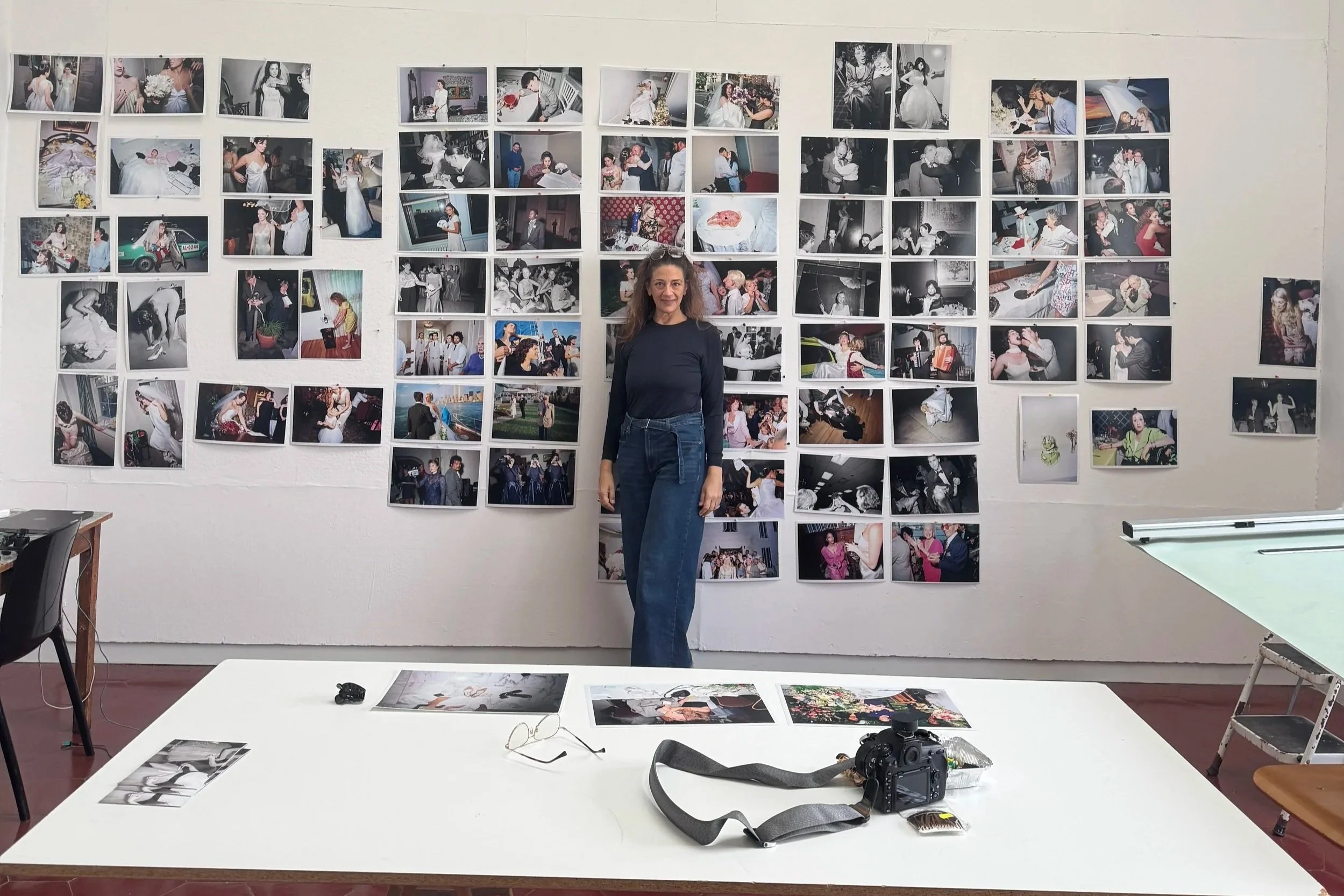
Start With the Work, Not the Website
Photographers often start in the wrong place.
They begin by choosing a website template, deciding whether the portfolio should have a black background, obsessing over fonts, or trying to figure out how many photographs should appear on the homepage.
That's the easy part.
First, figure out what the work actually is.
Pull together a much larger group of photographs than you think you'll need. Print them if you can. Put them on the floor. Put them on a wall. Spread them across a table.
Get them out of Lightroom.
Get them out of the little rectangles on your computer screen.
You need to see the photographs as objects that can have relationships with one another.
Then start moving them around.
Edit Ruthlessly, Be Organized
Editing isn't deleting the photographs that aren't technically perfect.
It's figuring out which photographs are doing real work.
Look for repetition.
Look for photographs that are telling you the same thing twice.
Look for images that are only there because you remember what happened when you made them.
This one is a particularly dangerous category.
You remember the photograph. The viewer doesn't.
You remember that it was raining. You remember who the person was. You remember that you had been photographing that family for six months. You remember that something completely insane happened five minutes later.
None of that information exists in the photograph unless you've managed to put some of it there.
The viewer gets the frame.
That's it.
So be ruthless.
If a photograph needs a paragraph of explanation before you can understand why it's there, ask yourself whether the photograph is actually carrying its weight.
Your Work Needs Breathing Room
A strong documentary photography portfolio isn't necessarily packed with action.
In fact, one of the quickest ways to flatten a body of work is to make every photograph scream.
If every image is dramatic, none of them are.
You need photographs that change the pace.
A face.
A room.
A gesture.
A piece of clothing.
An empty space.
Something funny.
Something uncomfortable.
Something that makes no immediate sense.
Something that gives the viewer a minute to breathe before the next photograph arrives.
Documentary work is about observation, and observation isn't always spectacular.
The quieter photographs can be the photographs that make the louder ones matter.
Sequence the Photographs
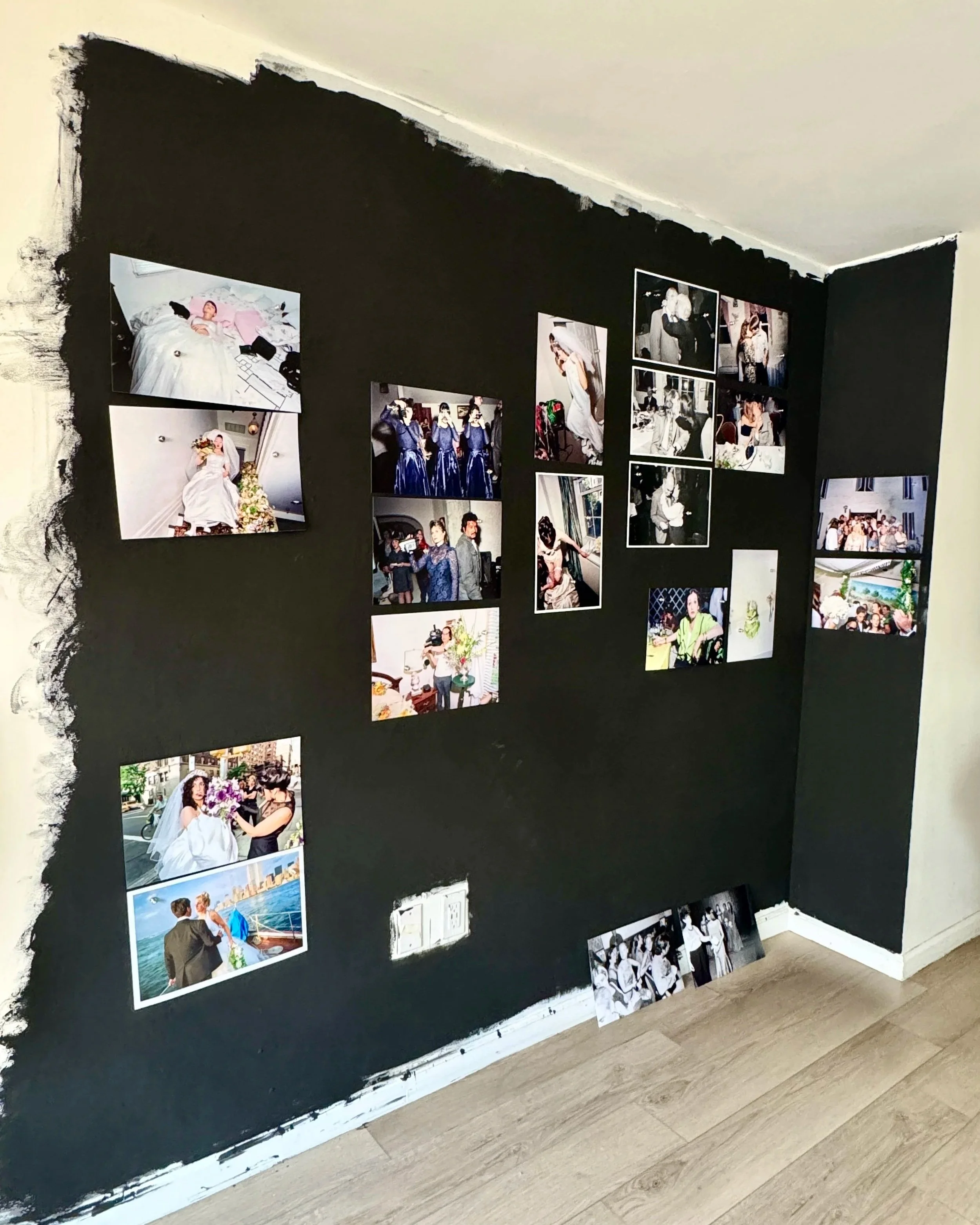
Once you've made the edit, the next problem is sequence.
This is where a portfolio can suddenly become a body of work.
Put two photographs next to each other and something happens that wasn't present in either photograph alone.
A gesture continues.
A shape repeats.
A person disappears and then returns.
A color travels from one image into another.
A photograph answers a question you didn't realize you'd asked three pictures earlier.
Or two photographs collide and create a completely different meaning.
This is why chronological order is rarely the only option.
Your project may have happened in chronological order. The viewer doesn't necessarily need to experience it that way.
Try different sequences.
Start with a photograph that opens a door rather than one that simply announces, “Here is my best picture.”
Try putting a quiet photograph after a chaotic one.
Try ending with an image that doesn't explain everything.
There isn't one correct sequence.
There is only the sequence that makes the work feel most alive.
Consistency is Different From Sameness
A documentary portfolio should feel cohesive. But should not bounce like a basketball
That does not mean every photograph needs to look identical.
If every image has the same composition, the same distance from the subject, the same light, and the same emotional temperature, the portfolio can start to feel like an exercise.
Cohesion comes from something deeper.
It might be your way of observing people.
Your relationship to humor.
Your use of flash.
Your interest in intimacy.
Your attraction to particular kinds of spaces.
Your willingness to get physically close.
Your patience.
Your curiosity.
Your sense of the absurd.
Your way of noticing what happens at the edge of the frame.
That's the stuff that makes a body of work feel like it came from one person.
Don't Add Work Just to Make the Project Longer
There is no prize for having 75 photographs on your portfolio website. Filler is empty calorie content.
More photographs don't automatically make you look more accomplished.
Usually they make the viewer work harder to understand what you're doing.
If you have 20 photographs that belong together, don't dilute them with another 30 because you feel like a “real” portfolio needs more.
And don't add an image because you think you need a certain type of photograph.
You don't need a token landscape.
You don't need a token portrait.
You don't need a token black-and-white photograph.
You need the photographs that belong to the work.
That's it.
A Body of Work Should Describe You as Much as the Project
This is ultimately the point.
I don't need your portfolio to tell me that you know how to operate a camera.
I can probably figure that out.
I want to know what happens when you are looking.
What do you notice?
What do you return to?
What are you curious about?
What do you find funny?
What makes you uncomfortable?
What do you photograph when nobody is telling you what to photograph?
A body of work begins to emerge when those answers start appearing in the photographs without you having to explain them.
That's when the portfolio starts to feel like yours.
Then… Write About the Work
Once you've edited the photographs, you may discover that the writing gets easier.
This is also where many photographers make themselves miserable.
They think they need to sound academic.
They don't.
A project summary doesn't need to make your work sound more important than it is. It needs to make the work understandable.
What are you photographing?
Why?
What are you actually interested in?
What have you discovered?
What is the project doing beyond simply documenting its subject?
I made my [Writing a Strong Photography Project Summary guide] specifically for photographers and visual artists who need to articulate a project clearly for grants, fellowships, exhibitions, residencies, and open calls. Writing a Strong Photography Project Summary
And Then There Is the Actual Portfolio
If you've reached the point where you have a substantial body of work but you're still moving photographs around at midnight wondering whether image 7 should be image 12, that's a different problem.
You may need another set of eyes.
My [Photography Intensive for Portfolio & Book Dummy Development] includes a 45-minute portfolio consultation focused on editing, sequencing, subject matter, and presentation. There is also a book dummy development option for finished bodies of work that are moving toward publication. Photography Intensives: Portfolio & Book Dummy Development
That's very different from someone telling you that your portfolio needs “more consistency.”
You need someone to actually look at the work.
Your Portfolio Is Only One Part of the Practice
Once you have a body of work, the next question becomes what you want to do with it.
Maybe you're applying for a grant.
Maybe you're submitting to a residency.
Maybe you're approaching a publisher.
Maybe you're sending the work to an editor.
Maybe you're building your first exhibition.
At that point, the photographs aren't the only thing being evaluated.
Your project description matters.
Your artist CV matters.
Your application matters.
Your ability to communicate what you've made matters.
I have [an Artist CV guide for photographers and visual artists] that walks through how to present exhibitions, publications, awards, residencies, and professional experience clearly. Artist CV for Photographers
And if you're applying for funding, my [Grant Writing guide for Photographers] breaks the application process into a practical five-step framework. Grant Writing for Photographers
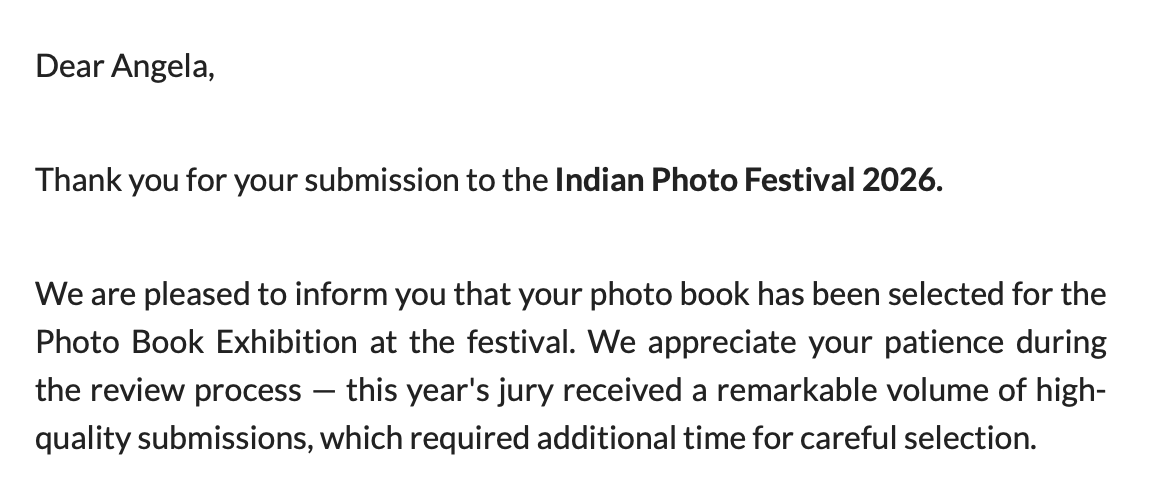
A well executed body of work may win awards and get press.
Flawless Pictures Aren’t the Goal
This is probably the most important part.
Your portfolio is not supposed to prove that you've figured everything out.
It's supposed to show that you're making something worth paying attention to.
A serious documentary photography portfolio isn't just a collection of your best photographs. It's an edited argument about how you see the world.
That argument will change.
Your work will change. Your mind will change. You will change.
You'll make better photographs. You'll throw away photographs you once loved. You'll discover that the project you thought was about one thing was actually about something else.
Good.
That's the practice.
Keep shooting.
Keep looking.
Keep editing.
And every once in a while, put the whole thing on the floor and start moving the photographs around again.